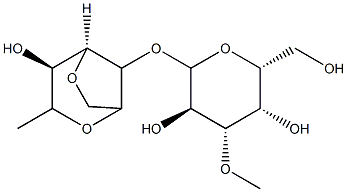
Agar is a dried, hydrophilic, colloidal polysaccharide complex extracted from the agarocytes of algae of the Rhodophyceae. The structure is believed to be a complex range of polysaccharide chains having alternating a-(1!3) and b-(1!4) linkages. There are three extremes of structure noted: namely neutral agarose; pyruvated agarose having little sulfation; and a sulfated galactan. Agar can be separated into a natural gelling fraction, agarose, and a sulfated nongelling fraction, agaropectin. Agar is the most suited solidifying agent for scientific applications that require incubation temperatures closer to human body temperature. Agar is used as a medium in bacteriology and plant biology, impression material in dentistry, biofertilizer in organic farming, and salt bridges in electrochemistry. It can be used to measure the motility and mobility of microorganism owing to the porous nature of the gel form of an agar or agarose medium.